
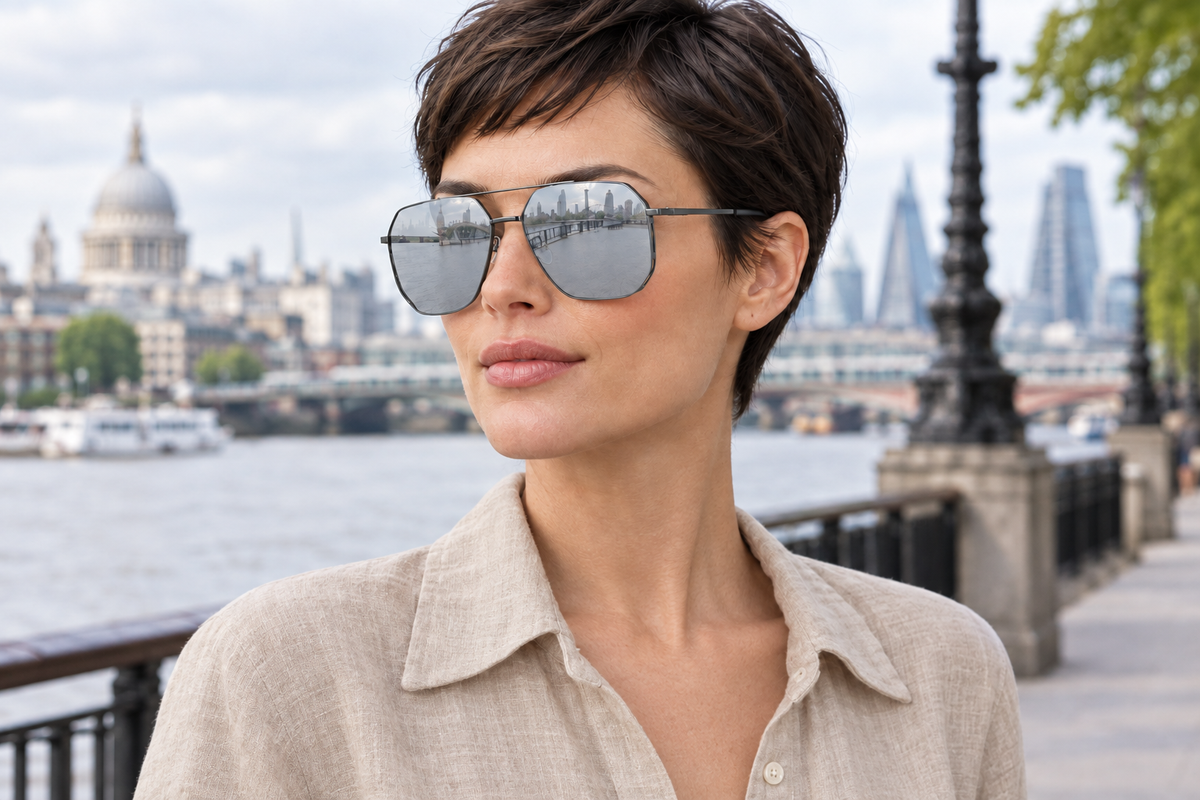
The best aviator sunglasses for you are the ones that combine comfortable fit, lens specifications suited to your needs and a shape you enjoy wearing. A familiar silhouette or an attractive finish is only the starting point.
Aviators have a distinctive character: a sweeping lens shape, an open bridge and a frame that can feel understated or bold depending on its finish. They are an easy partner for a simple shirt, a weekend jacket or a holiday wardrobe.
This guide helps UK shoppers compare the details that matter, rather than presenting one pair as the best choice for everyone. Explore the Missandtrendy Aviator Sunglasses collection alongside the advice below.
How to choose the best aviator sunglasses for you
Start with your priorities, then compare each pair against them. These five checks make a more useful shortlist than choosing by appearance alone.
- Fit: compare frame measurements and look for a secure position without persistent pressure or slipping.
- Lens information: confirm the stated UV protection, lens category and suitability for your intended use.
- Shape: choose between teardrop, rectangular and square outlines, checking lens depth and cheek clearance.
- Frame features: check the hinge type, nose-pad design, material and listed weight rather than assuming every aviator is built alike.
- Everyday appeal: choose a finish and colour you will enjoy wearing with your usual wardrobe.
There is no single winner for every face or routine. The best choice is the pair that meets your practical needs as well as your personal style.
What are aviator sunglasses?
The classic aviator look combines teardrop-shaped lenses with a fine frame and a prominent bridge, often with a second bar above it. The lenses are broader at the top and taper towards the cheeks, creating a softer outline than a square frame.
Aviator-inspired designs also come in more angular shapes. When browsing, look at the actual silhouette rather than expecting every pair described as an aviator to have identical proportions.
Aviator describes a style, not a lens feature. It does not tell you whether a pair is polarised, has UV 400 protection or uses a particular hinge.
Aviator lens shapes: teardrop, rectangular and square
Classic teardrop aviators
The familiar teardrop outline is broad at the top, with a curved lower edge that extends towards the cheeks. Choose it if you enjoy softer lines and a relaxed, classic look. Pay attention to lens depth: a deep teardrop can sit differently from a shallower frame, even at the same lens width.
Rectangular aviators and navigator styles
Rectangular designs use straighter lines and are typically wider than they are tall. Often described as navigator styles, they offer an angular alternative to the classic teardrop while retaining details such as a fine frame or double bridge. A shallower outline may give more cheek clearance, but actual fit depends on the dimensions and where the frame sits on your nose.
Square aviator-inspired frames
A square outline has a more balanced relationship between width and depth, creating a stronger, structured look. Corners may be softened rather than sharply squared. Check lens height as well as width if you are comparing it with a rectangular design.
Style names overlap between shops, so use the product photographs and measurements rather than relying on ‘aviator’ or ‘navigator’ alone. None of these shapes belongs to a particular gender or face shape.
How should aviator sunglasses fit?
Start with frame measurements. Compare lens width, bridge width and temple length with sunglasses that already fit you well. Measurements help narrow the choice, though different shapes can feel different even at similar sizes.
- The frame should sit securely without persistent pressure at the nose or temples.
- The lower lens edges should not press uncomfortably into your cheeks.
- The arms should sit comfortably around your ears rather than needing constant adjustment.
- Check that the frame stays in place when you look down and turn your head gently.
Selected designs have adjustable nose pads or spring hinges. Confirm the features of the particular pair rather than assuming every aviator includes them. An optician can help with suitable adjustments; avoid bending the frame yourself.
The fit details worth checking before you buy
Lens width is not total frame width
A lens-width measurement describes one lens, not the complete front of the sunglasses. The bridge, rims and outer frame construction also contribute to the overall width. Two designs with the same lens width can therefore fit differently. Use total frame width when supplied rather than treating lens width as a substitute.
Lens depth and cheek clearance
Lens depth is the vertical height of the lens. A deeper shape extends further down the face, so check whether its lower rim touches your cheeks, including when you smile. Nose-pad position and how high the frame sits can matter as much as the outline itself.
Lens shape and lens curvature are different
Teardrop, rectangle and square describe the outline seen from the front. Curvature describes how the lens bends away from that front view. A broad aviator lens does not automatically wrap around the sides of your face or provide wraparound coverage.
The double bridge does not specify lens protection
The upper bar is part of the frame's design and construction. Its presence does not establish UV protection, polarisation or suitability for driving. Those details need to come from the individual lens specifications.
Choosing aviators for your face
Face-shape advice can provide ideas, but it is not a rulebook. A curved teardrop may soften the impression of an angular face; an angular frame may add contrast to softer features. Both are styling observations, not restrictions.
More useful questions are whether the frame width suits you, whether the lens depth feels comfortable and whether you enjoy the look. If a pair fits properly and feels like your style, you do not need a face-shape label to justify it.
Silver, gold or a mirrored finish?
Silver frames
Silver sits easily alongside navy, black, white and denim. Keep the outfit simple for a clean everyday look, or let a coloured lens introduce the contrast.
Gold-toned frames
Gold tones bring warmth to cream, olive and brown. A plain shirt or lightweight knit keeps the combination relaxed rather than overly dressed up.
Mirrored lenses
A mirrored finish makes the lenses more prominent. Blue can feel crisp and bold; grey or silver can offer a quieter reflective look. These are style choices, not a way to judge UV protection or polarisation. Read the lens specifications separately.
Aviator sunglasses for everyday UK life
Think about your routine before choosing. A pair for city walks, coastal weekends or travel needs to be comfortable enough that you will actually wear it. Fit and the supplied lens information are more useful than choosing purely for a photograph.
Do not assume that a large-looking aviator provides wraparound coverage. Check how the lenses sit and the space at the sides of the frame.
If driving is your priority, check the stated lens category and suitability for that use. The aviator shape alone does not establish suitability for driving or every light condition.
Read the lens details, not just the style name
Look for clearly stated UV protection, polarisation where required and the lens category on the individual product page. A metal frame, dark lens or mirror coating is not confirmation of these features.
Keep your choices separate: first find a frame that fits and suits your style, then confirm the lenses meet your intended use. If information is unclear, ask before purchasing rather than guessing.
Caring for aviator sunglasses
Follow the instructions supplied with your pair. Keep them in a protective case, avoid resting them lens-side down and use an appropriate lens-cleaning method.
Remove the frame with both hands and avoid forcing the arms or bridge. If the frame sits unevenly or a hinge loosens, seek a suitable adjustment or repair.
Frequently asked questions
What makes a pair the best aviator sunglasses for me?
A comfortable fit, clearly stated lens specifications suited to your use, and a shape and finish you enjoy wearing. No style name or price alone can settle that choice.
Are aviator sunglasses only for men?
No. Aviator designs are worn by men and women. Choose by fit, measurements and personal preference rather than treating the shape as gender-specific.
Are all aviator lenses polarised?
No. Aviator is a style description. Confirm polarisation in the product specifications.
Do aviators suit every face?
There is no universal fit. Different widths and lens shapes can work for different people, so compare measurements and comfort rather than relying on a blanket promise.
Are mirrored aviators different from ordinary aviators?
The mirror finish changes the reflective appearance of the lenses. Check the remaining lens features separately, including UV protection and polarisation.
Find the best aviator sunglasses for your routine
The best aviator sunglasses for you should earn their place in your everyday wardrobe: a comfortable frame, lens details you can verify and a shape you feel good wearing. Compare the measurements, features and finishes in the Missandtrendy Aviator Sunglasses collection against your own priorities before choosing your pair.